NEED HELP? CALL 023 8022 9999
24th September 2026
Why keeping cars on the road for longer may be the sensible choice
The car industry is changing quickly, but from the perspective of vehicle recycling, one trend stands out: motorists are finding more reasons to keep the cars they already own.
24th September 2026
Why keeping cars on the road for longer may be the sensible choice
Britain’s cars are getting older. The average car on UK roads is now around 9.7 years old, while a record 45.7% are more than ten years old. For an industry that has traditionally relied on motorists replacing vehicles regularly, that is a significant change.
From the perspective of vehicle recycling and parts reuse, it is not surprising. A ten-year-old car is not necessarily at the end of its useful life. With sensible maintenance and affordable parts, many vehicles can remain on the road safely for years longer.
The economics of car ownership are changing. Modern vehicles are safer, cleaner and more sophisticated, but that sophistication comes at a cost. Bumpers may contain sensors and radar, wing mirrors can include cameras and electronics, and replacing a windscreen may require recalibration of driver-assistance systems.
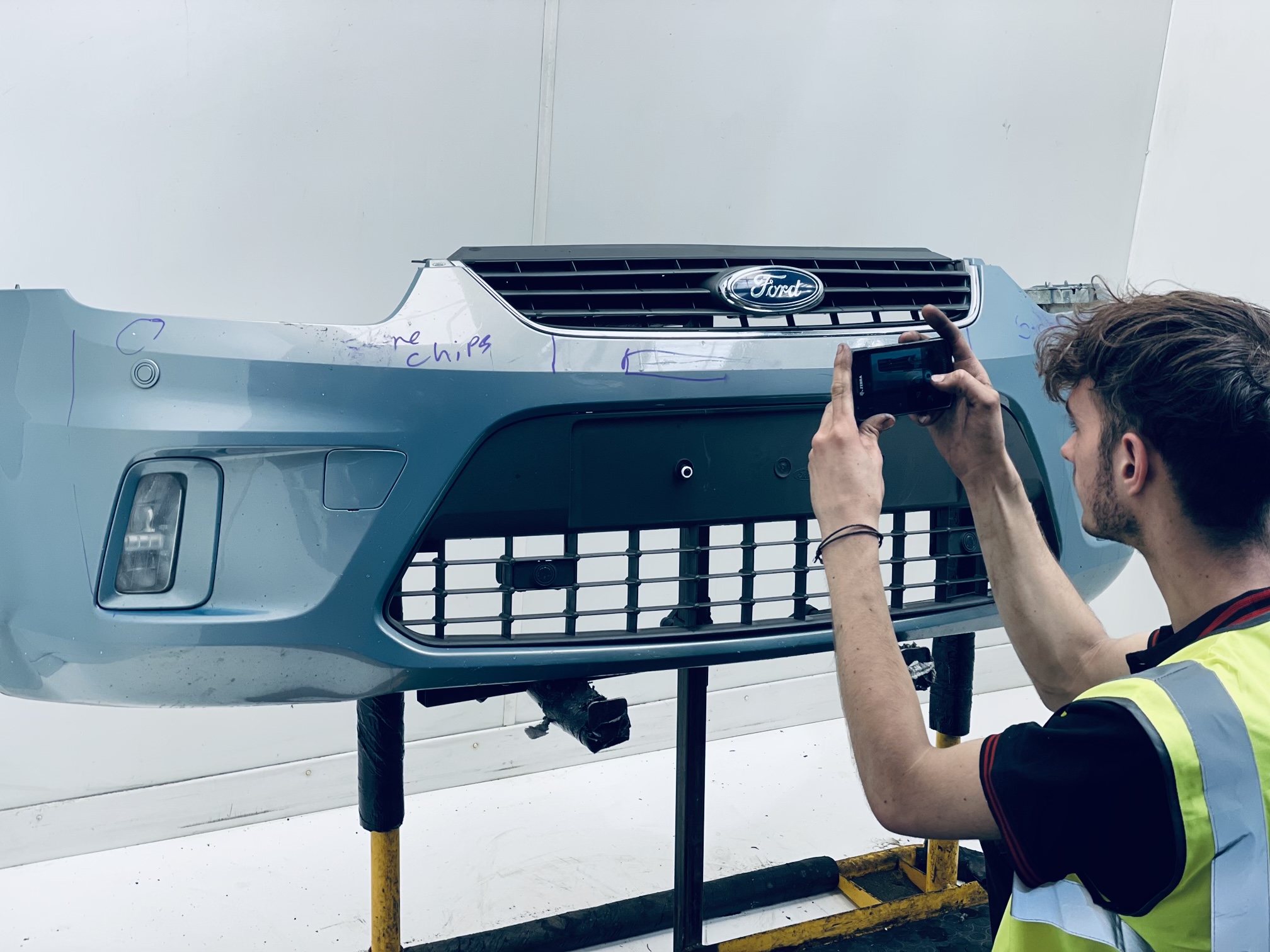
This complexity is reflected in repair bills. UK insurers paid almost £7.5 billion in vehicle-damage claims during 2025, while official producer-price figures suggest motor vehicle maintenance and repair prices have risen by around 46% since 2019.
That does not mean manufacturers deliberately make cars difficult to repair. Modern safety and technology requirements add complexity. But, for motorists, the result can be the same: maintaining a vehicle is becoming more expensive at a time when household budgets are under pressure.
For someone who owns a ten-year-old car that is paid for, reliable and suits their needs, taking on hundreds of pounds a month to finance a £30,000 or £40,000 replacement may not make sense. Increasingly, the biggest competitor to a new car may be the one already sitting on the driveway.
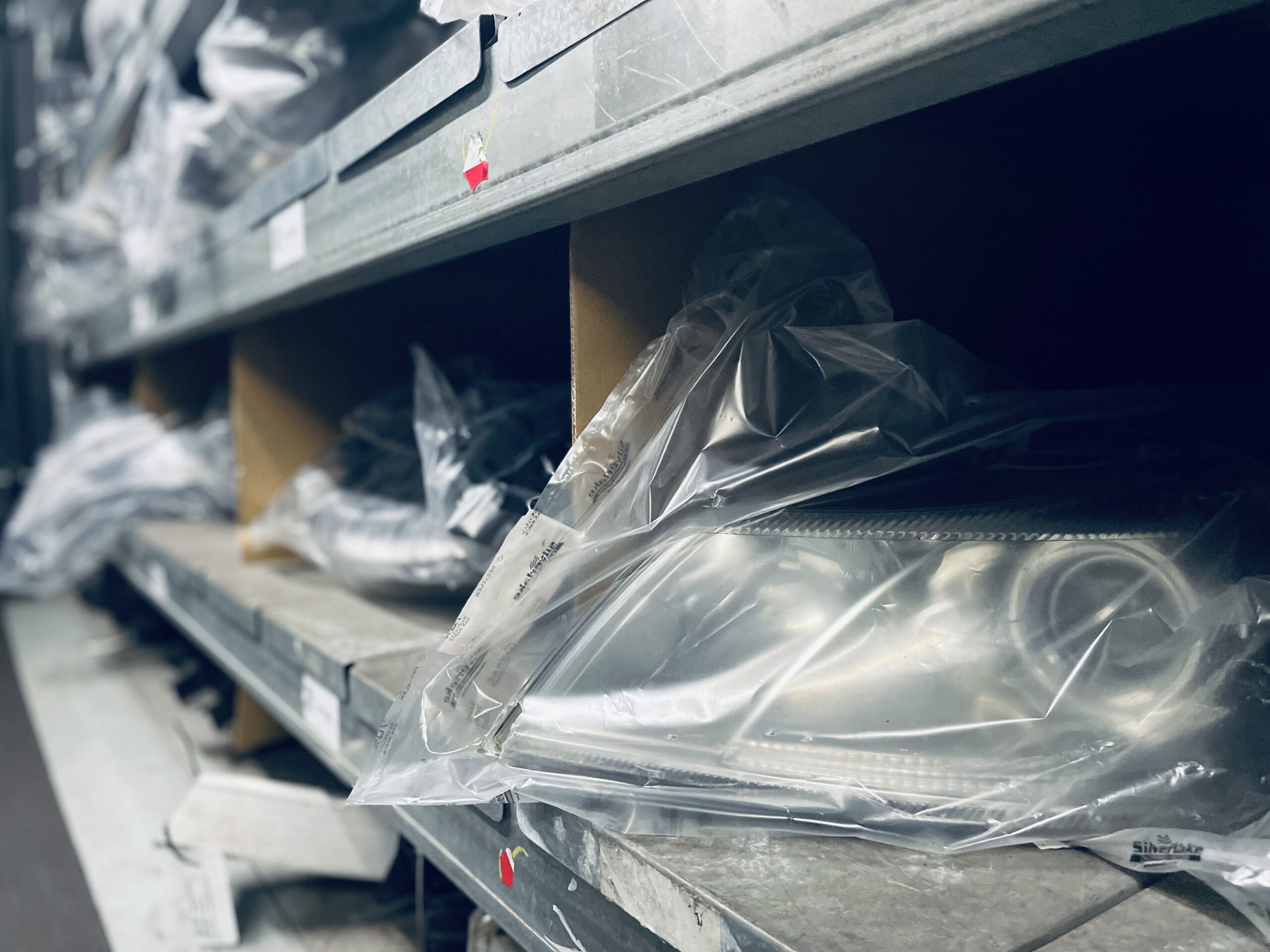
This is where repair and reuse deserve more attention. Cars that reach the end of their road-going life often still contain engines, gearboxes, doors, lights, mirrors and other components with useful life remaining.
Recovering suitable original parts and returning them to use can make repairs more affordable while reducing waste. Reuse must never compromise safety, and some components should always be replaced with new ones. But where a part can be safely reused, there is a simple question worth asking: if it still has useful life, why discard it?
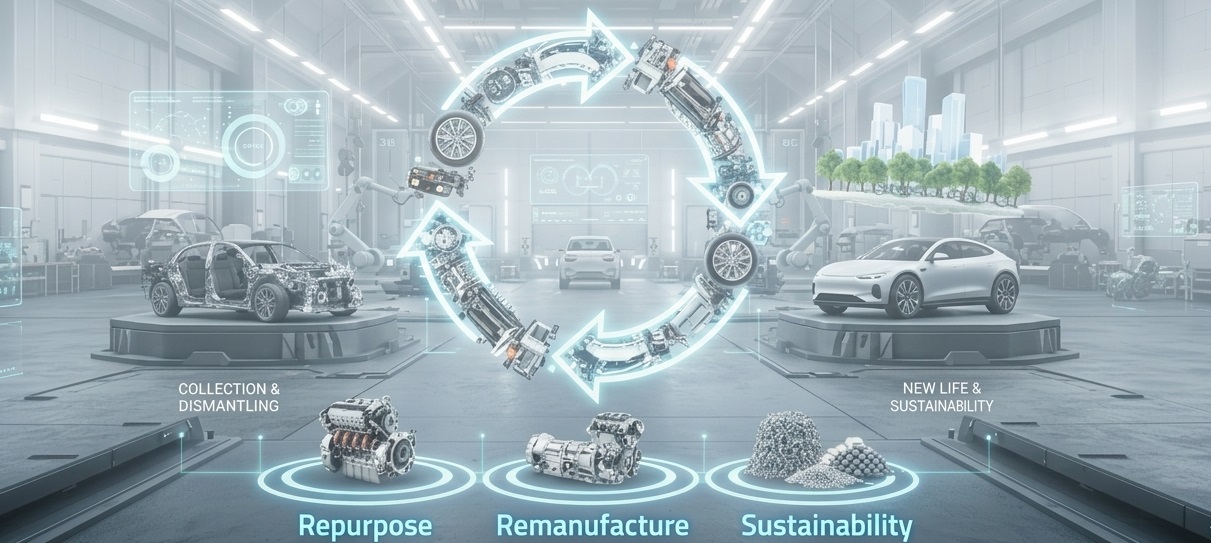
This question is part of the wider sustainability debate: making better use of the vehicles and resources we already have. Reusing a component preserves more of the energy and materials invested in producing it than simply recycling it for raw material.
Meanwhile, the new-car market is changing rapidly. Chinese manufacturers are gaining ground in the UK by offering high levels of technology and equipment at competitive prices. By the first half of 2026, newer entrant brands, heavily driven by Chinese manufacturers, had reached around 15.8% of UK new-car registrations. Their success reflects the same pressure affecting motorists who keep older cars: consumers are searching harder for value.
Electric vehicles reveal that affordability divide clearly. For a homeowner with a driveway and cheap overnight charging, an EV can be inexpensive and convenient to run. For someone in a flat or terraced house who depends on public rapid chargers, the cost can be much higher and, in some cases, comparable with or above that of an efficient petrol car.
The public charging network is expanding quickly, with more than 121,000 public chargers as of July 1st, 2026, but cost, location and convenience remain important. EV depreciation has also affected confidence, with used electric values falling heavily after their 2022 peak, although those lower prices may create opportunities for used-car buyers.
None of this means electric cars have failed, nor does it mean every older petrol or diesel vehicle should stay on the road indefinitely. It means motorists are becoming more pragmatic. More people are asking not simply, “What car should I buy next?” but, “Does the car I already own really need replacing?” For many households, keeping an existing vehicle safe, well maintained and economically repairable may be the sensible answer.
The future of motoring will involve new technology and more electric vehicles. But it will also involve millions of cars already on Britain’s roads today. Supporting repair, responsible reuse and proper recycling should be part of that future too.